
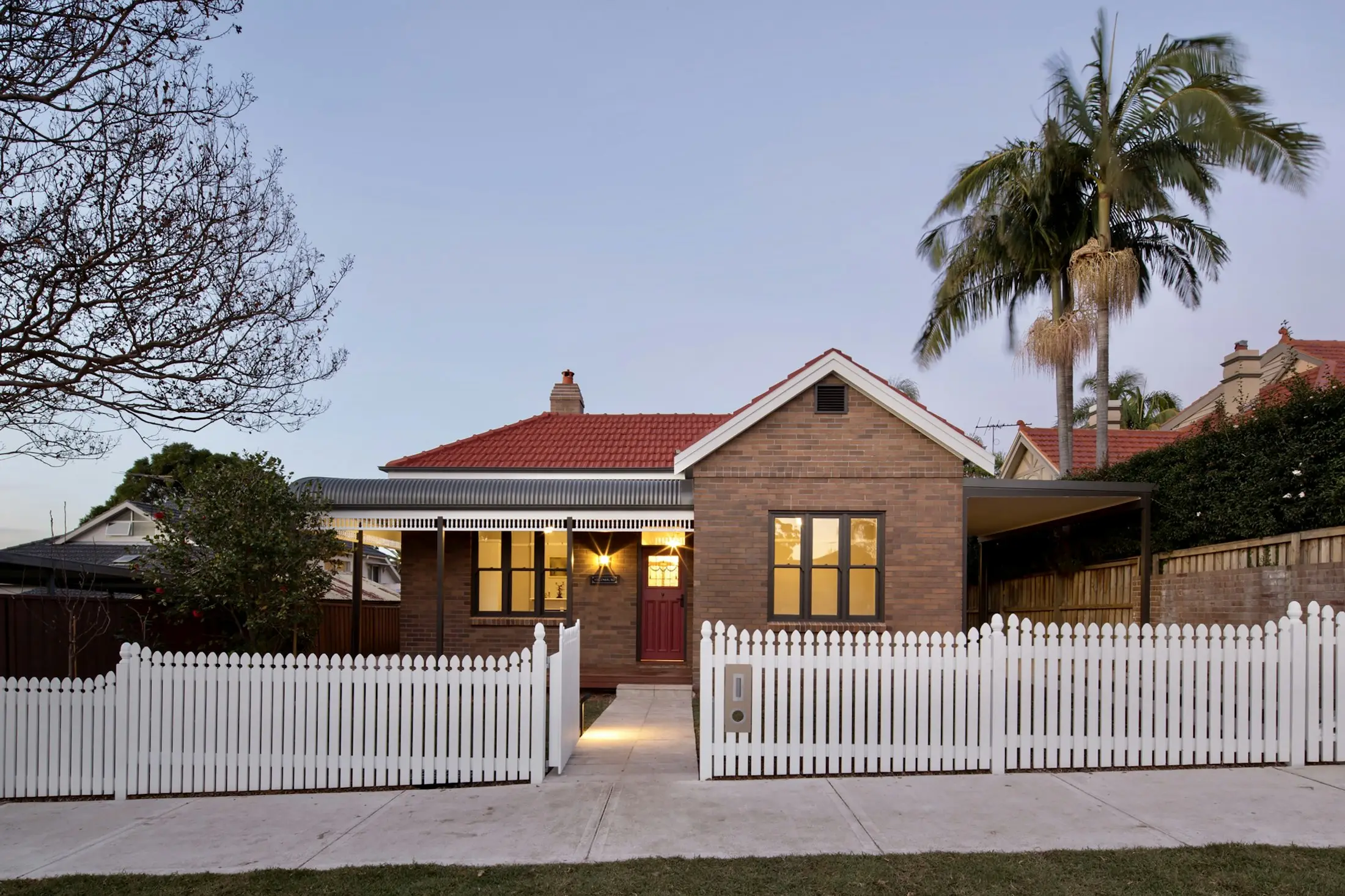
How are pools financed?
Pools are usually financed in one of two ways: an unsecured personal loan, or extra borrowing against your home. Pool loans fit the way pools are built, with money needed at several points rather than all at once.
- Personal pool loan: no home equity needed, fixed repayments and usually a quicker path to funds.
- Home equity top-up or refinance: can suit bigger builds, with repayments spread across your mortgage. Our specialist home loan team handles home loan refinancing.
- Builder or retailer finance: convenient, but compare the total price and terms with other options before you sign.
Having pool finance arranged before you sign the build contract puts you in a stronger spot. You know your budget, and the builder knows you’re ready to go.
What does an inground pool cost in Australia?
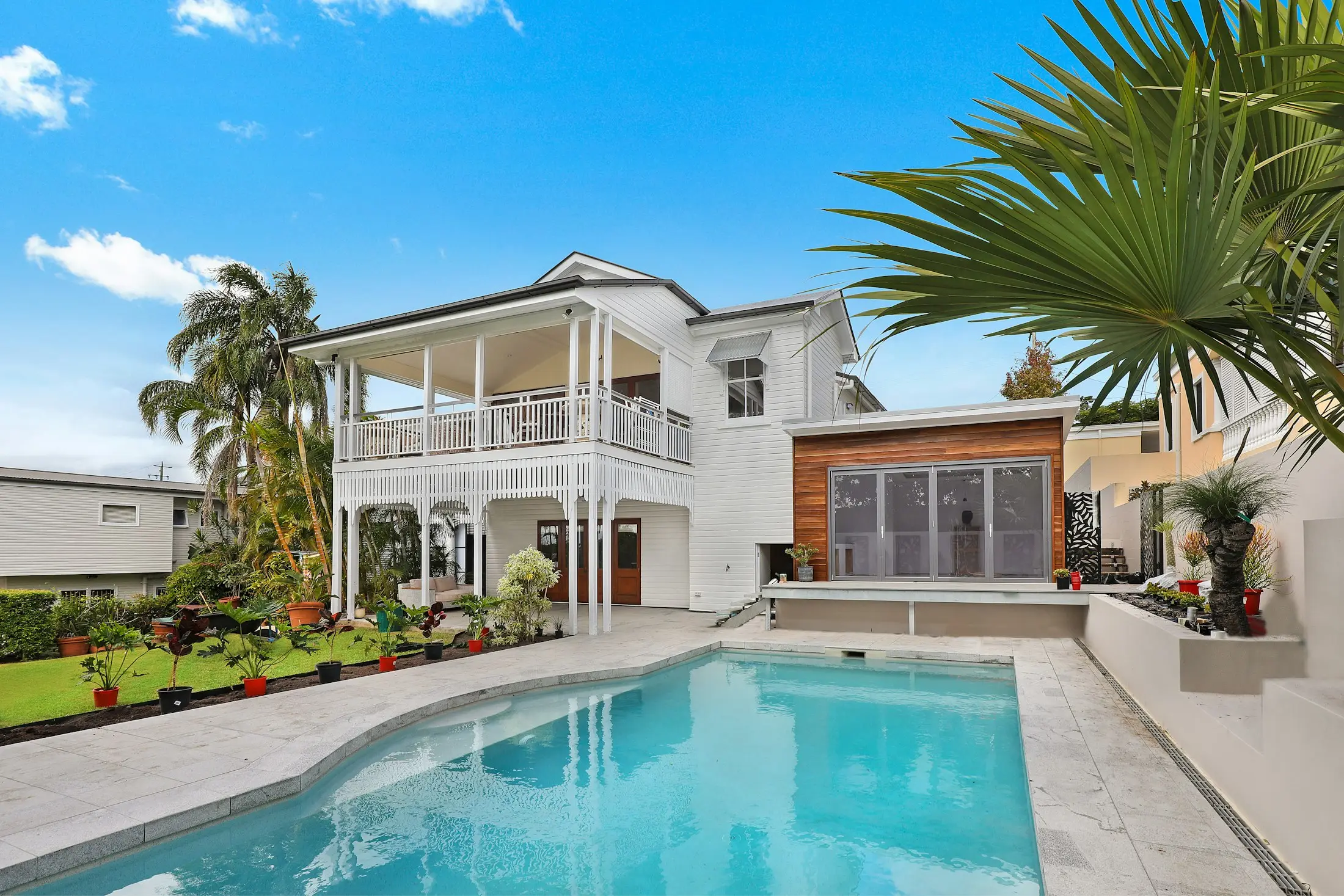
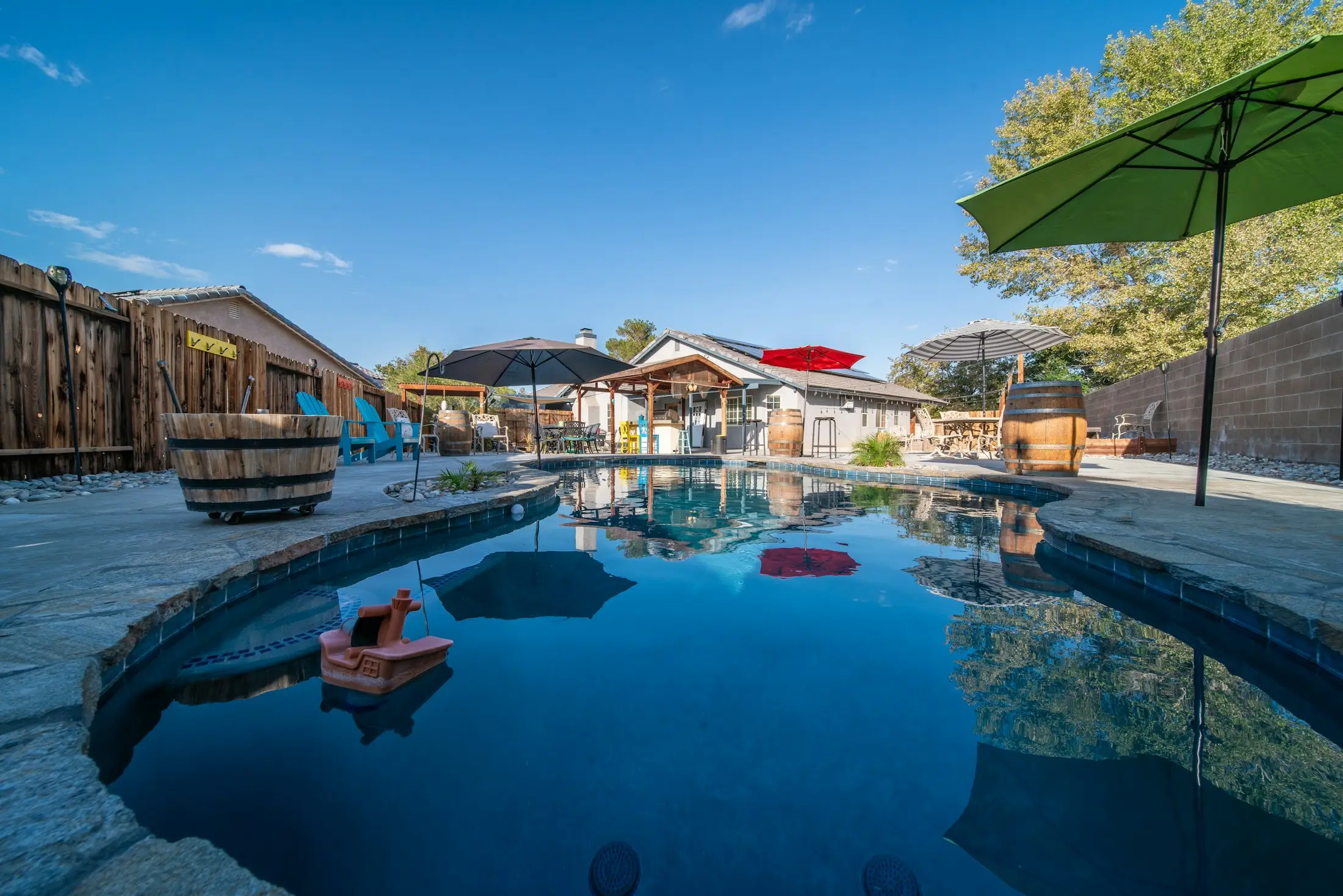
Mostly it depends on the type of pool, then on your site. As a broad guide, fibreglass pools run around $25,000–$50,000 and concrete pools around $50,000–$100,000+.
| Pool type | Rough cost guide | Why people choose it |
|---|---|---|
| Fibreglass | Around $25,000–$50,000 | Factory-made shell, quicker install, smooth finish |
| Concrete | Around $50,000–$100,000+ | Any shape or size, fully custom finishes |
| Plunge pool | Varies with material and site | Smaller footprint for tight blocks and a quick cool-off |
Treat these ranges as a starting point. A sloping block, tricky access, rock under the lawn and the extras you pick can all push the final number up.
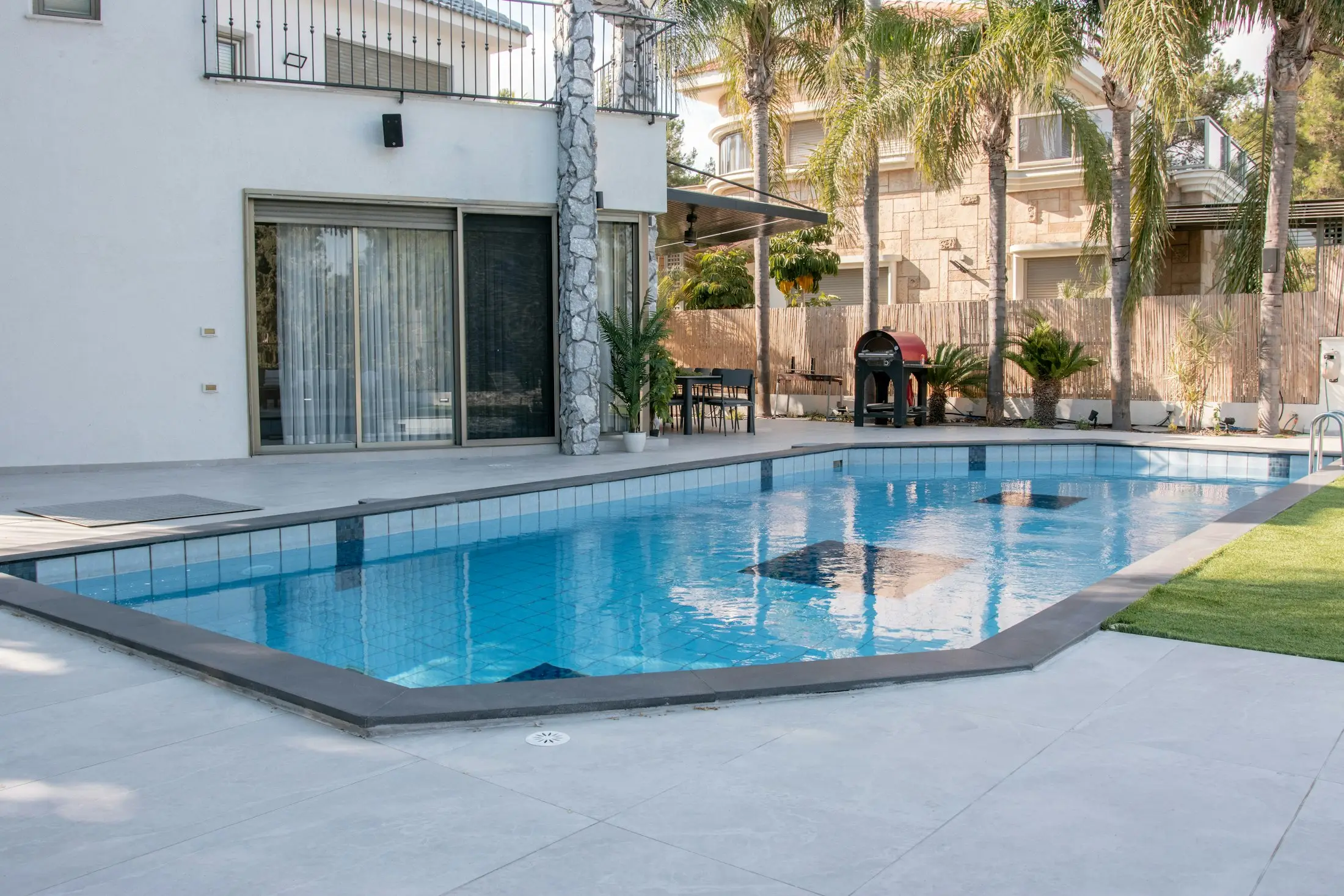
Can I include landscaping and fencing in the pool loan?
Yes, and it’s smart to. A pool isn’t finished until it’s fenced, and it doesn’t feel finished until the garden around it is done.
- Compliant fencing: safety barriers are required for home pools across Australia, with rules set by each state and territory. Budget for gates, latches and inspections.
- Heating: a heat pump, gas or solar pool heating to stretch the swimming season.
- Paving and coping: the hard surfaces that frame the water.
- Landscaping and lighting: plants, turf, retaining walls and lights for evening swims.
- Shade and shelter: a cabana, pool house or shade sail.
Thinking of running the pump or heating off rooftop panels? Our solar panel finance page explains the rebates available.
Are pool loans secured or unsecured?
They can be either. A pool can’t act as security on its own because it becomes part of your land, so a secured pool loan usually means borrowing against your home.
- Unsecured: no equity needed, quicker to arrange, a fixed end date, and your home isn’t tied to the loan.
- Home equity: can suit larger builds and lowers repayments by spreading them out, but you may pay more interest overall.
Not sure which suits? Share the build cost and your home loan situation, and we’ll lay the two side by side.
How do staged payments work on a pool build?
Your builder’s contract sets out when each payment is due. Stages vary between builders, but a typical build follows a pattern like this:
- 1
Approvals and deposit
Most in-ground pools need council or private certifier approval before digging starts. Your deposit secures the build.
- 2
Excavation
The hole goes in — and any rock or access problems show up here.
- 3
Shell or concrete
A fibreglass shell is craned into place, or the steel and concrete go in.
- 4
Coping, tiling and equipment
Edges, finishes, filtration and plumbing are fitted.
- 5
Fencing and handover
The barrier is finished and inspected, then the pool is filled and handed over.
Pay each stage once it’s done, and keep quotes and receipts together for certification. Doing a bigger outdoor makeover at the same time? See renovation loans.
What you’ll need
- Your pool builder’s quote and payment schedule
- Quotes for fencing, landscaping and extras
- Photo ID
- Proof of income, such as recent payslips
- Recent bank statements
- Details of current debts
- Home loan statement if you’re using equity
Who it usually suits
- Over 18, and an Australian citizen or permanent resident
- Own, or be buying, the property where the pool will go
- Regular income that comfortably covers repayments
- A manageable level of existing debt
- A credit history lenders can assess — past issues are considered