

How does car finance work with a broker?
Car finance works like this: a lender pays for the car, and you repay that amount plus interest over an agreed term. With car loans arranged through us, the difference is who does the legwork – you give us the details once, and we go looking.
We’re an Australian-owned credit broker, not a lender. That means we aren’t pushing one product; we’re matching your situation to a lender that suits it.
- 1
Tell us about the car
New or used, dealer or private seller, budget and timing. It takes about 2 minutes, with little or no paperwork.
- 2
We search the panel
Our team looks across 60+ lenders for an option that fits your income, credit history and the vehicle.
- 3
You choose, then apply
We explain the option first. A credit check only runs once you decide to go ahead, and we’ll tell you beforehand.
- 4
Settle and drive
The lender pays the seller. Depending on the lender, settlement can be quick – sometimes within 24 hours of approval.
Secured vs unsecured car loans: what’s the difference?
A secured car loan uses the vehicle as collateral, so lenders see it as lower risk and usually price it more keenly. An unsecured loan doesn’t tie the debt to the car, which adds flexibility but tends to cost more.
Two more structures matter if the car is part of your pay packet or your business. If salary packaging is on offer at work, compare a novated lease vs car loan before you sign anything.
| Option | How it works | Often suits | Worth knowing |
|---|---|---|---|
| Secured car loan | The car is the lender’s security until you’ve repaid the loan | Most buyers of new and newer used cars | Lenders set their own vehicle age limits |
| Unsecured personal loan | A lump sum borrowed without the car as security | Older cars, project cars, quick private buys | Usually priced higher for the extra risk |
| Novated lease | Your employer pays the lease from your salary | Employees offered salary packaging | Eligible EVs may qualify for an FBT exemption |
| Chattel mortgage | A business loan; you own the vehicle and the lender holds security | ABN holders using the vehicle mainly for work | Tax treatment depends on business use |
What car loan can I afford?
The car loan you can afford is one whose repayments sit comfortably in your budget after rent, bills and everyday life. Lenders work this out from your income, expenses and existing debts – and we sense-check it with you first.
Four things move your repayment the most:
- Loan amount – the price, minus any deposit or trade-in, plus anything you roll in, such as on-road costs.
- Term – a longer term lowers each repayment but usually means more interest over the life of the loan.
- Balloon – a lump sum left owing at the end, which trims regular repayments but leaves a bigger bill later.
- Your credit profile – steady income and a clean history open up sharper pricing; a few marks narrow the field without automatically ruling you out.
Car loan broker vs dealer finance: which is better?
Dealer finance is handy because it’s sorted at the counter, but your choice is limited to the lenders that dealership works with. A car loan broker searches more widely, and the approval isn’t tied to one yard – you can take it to any dealer or private seller.
- You know your budget before you fall for a car.
- You can negotiate on the drive-away price like a cash buyer.
- Private sellers and auctions are on the table, not just dealer stock.
- Extras such as extended warranties stay optional, not quietly bundled in.
New, used, EV or ute: where are you headed?
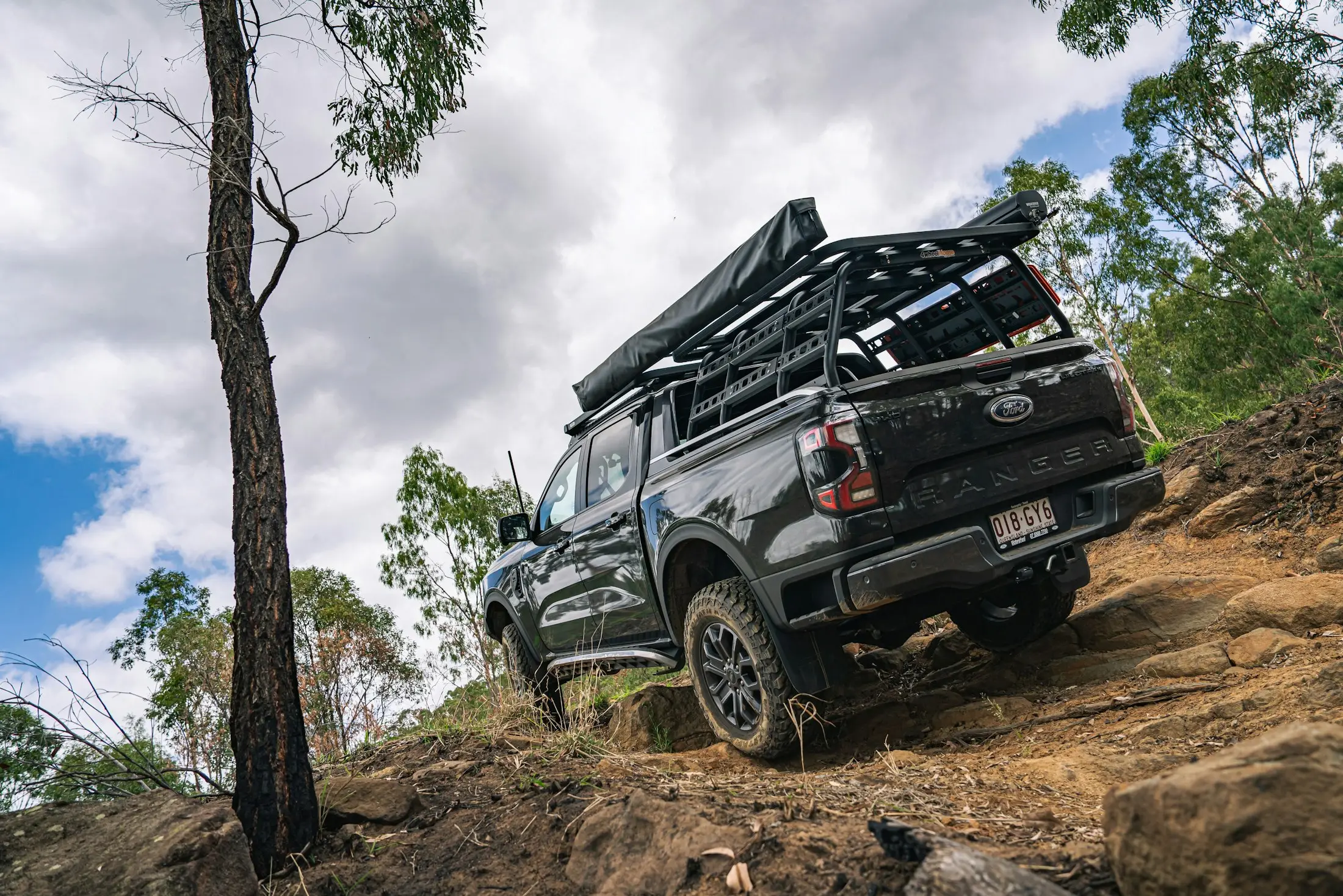
Australians bought a record of about 1.21 million new vehicles in 2025, and the Ford Ranger topped the sales charts for the third year running. Whatever’s on your wish list – a family SUV, a zippy runabout, an EV or a work ute – the finance can be shaped around it.
- New cars – get pre-approved, then negotiate at the showroom like a cash buyer.
- Used cars – dealer, private seller or auction, with checks for money owing on the car.
- Electric cars – green car loans, novated leases and home charger options.
- Utes and 4WDs – personal or business-use finance, with room for the canopy and bar.
- Refinancing – a car loan refinance may help lower repayments or tackle a balloon coming due.
- Credit bumps – see how specialist lenders view the full picture on bad credit car loans.
What you’ll need
- Driver licence or other photo ID
- Your latest payslips or other proof of income
- Details of the car: price, seller and VIN if you have it
- A rundown of your regular living expenses
- Details of existing loans and credit card limits
- ABN and recent tax returns if you’re self-employed
Who it usually suits
- Aged 18 or over
- Australian citizen or permanent resident (some lenders consider visa holders)
- Regular income from work, self-employment or another stable source
- Repayments that fit your budget after living costs
- A credit history lenders can assess – less-than-perfect credit isn’t an automatic no