Can I get ute finance with an ABN?
Yes. Ute finance works for employees and ABN holders alike – what changes is the loan structure, which should follow how the ute is actually used.
- Mostly personal use – a standard secured car loan is usually the simplest route.
- Mostly business use, with an ABN – business finance such as a chattel mortgage may suit, and the tax treatment can differ.
- A genuine mix – we’ll talk it through, and your accountant can confirm the tax side.
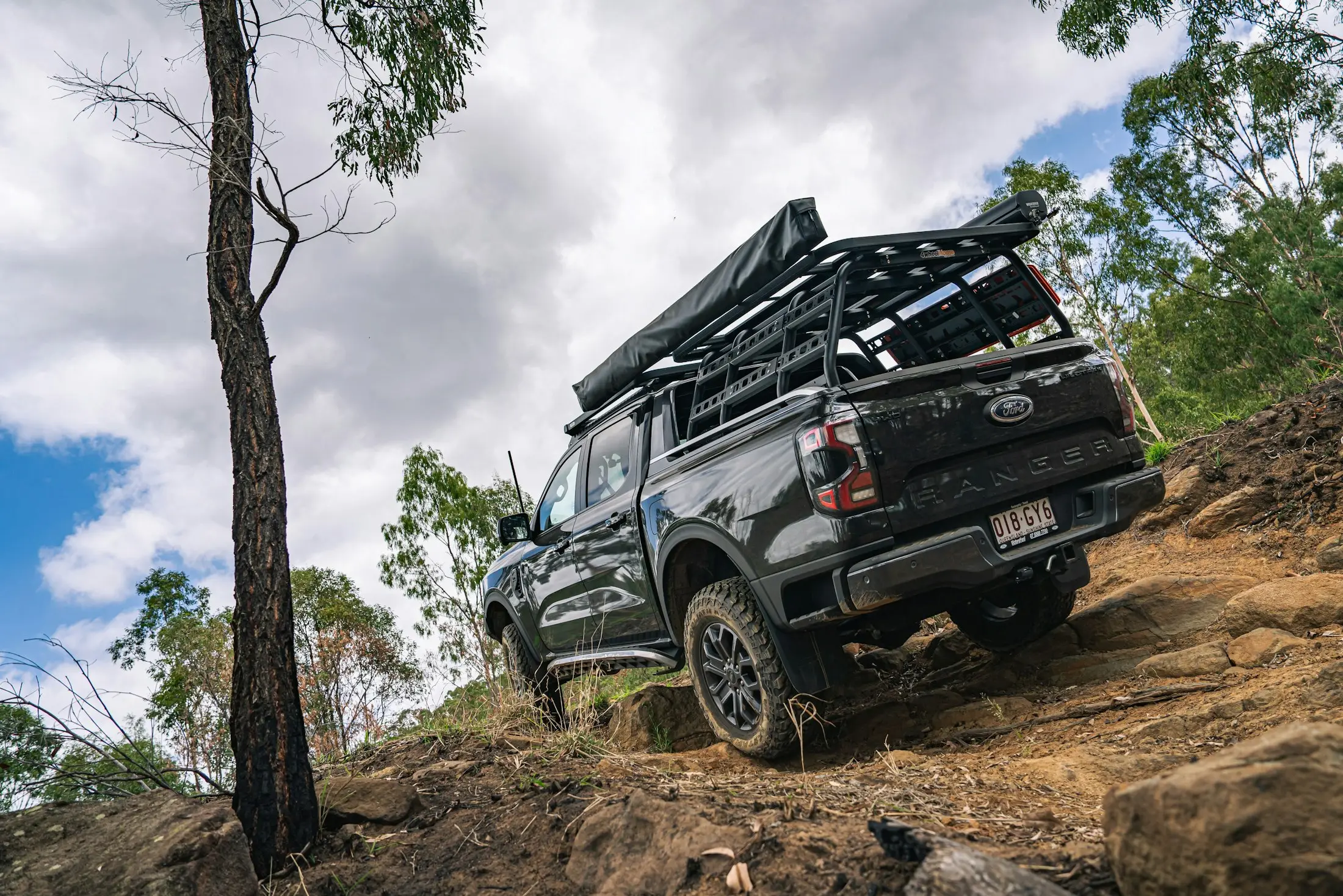
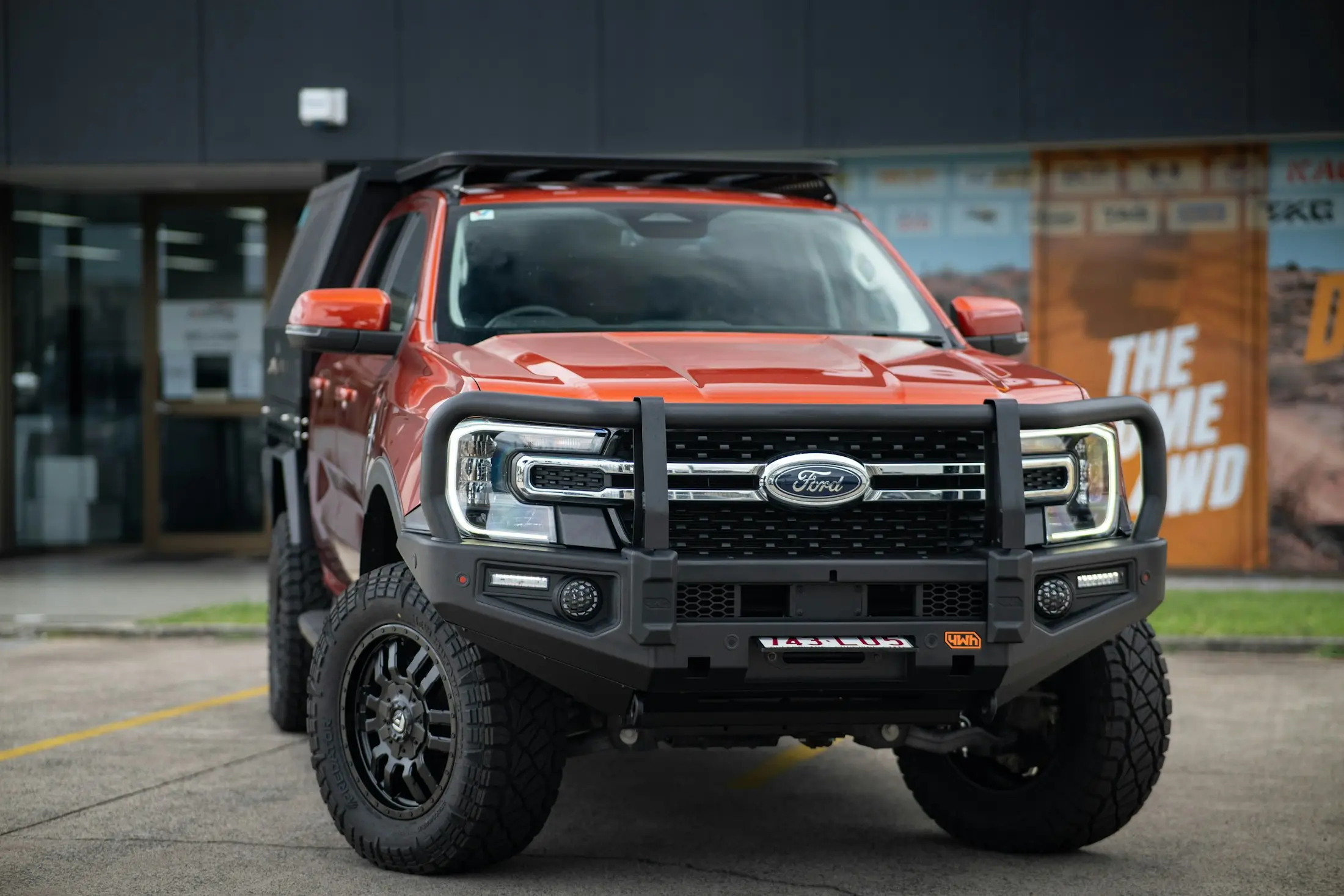
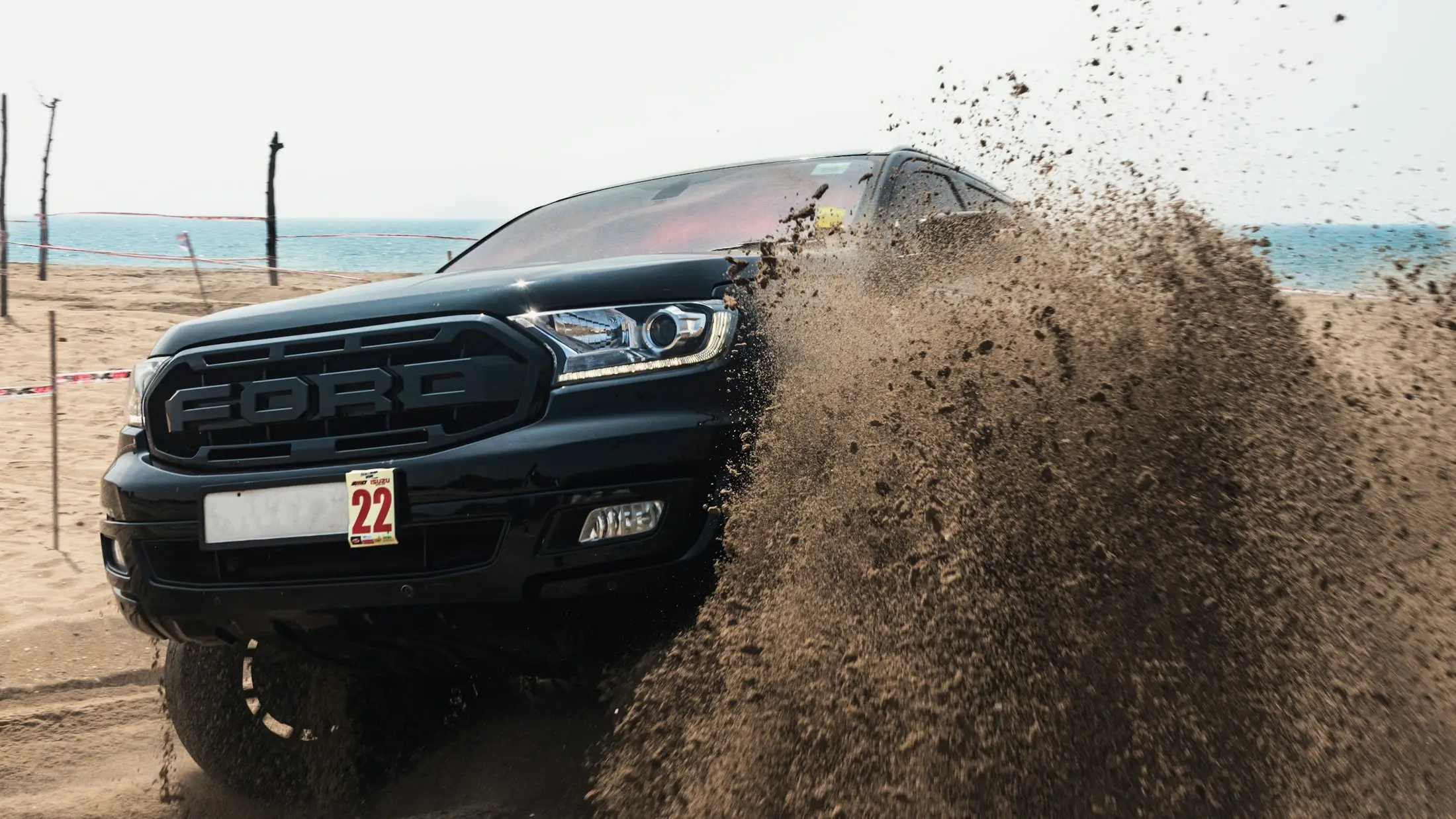
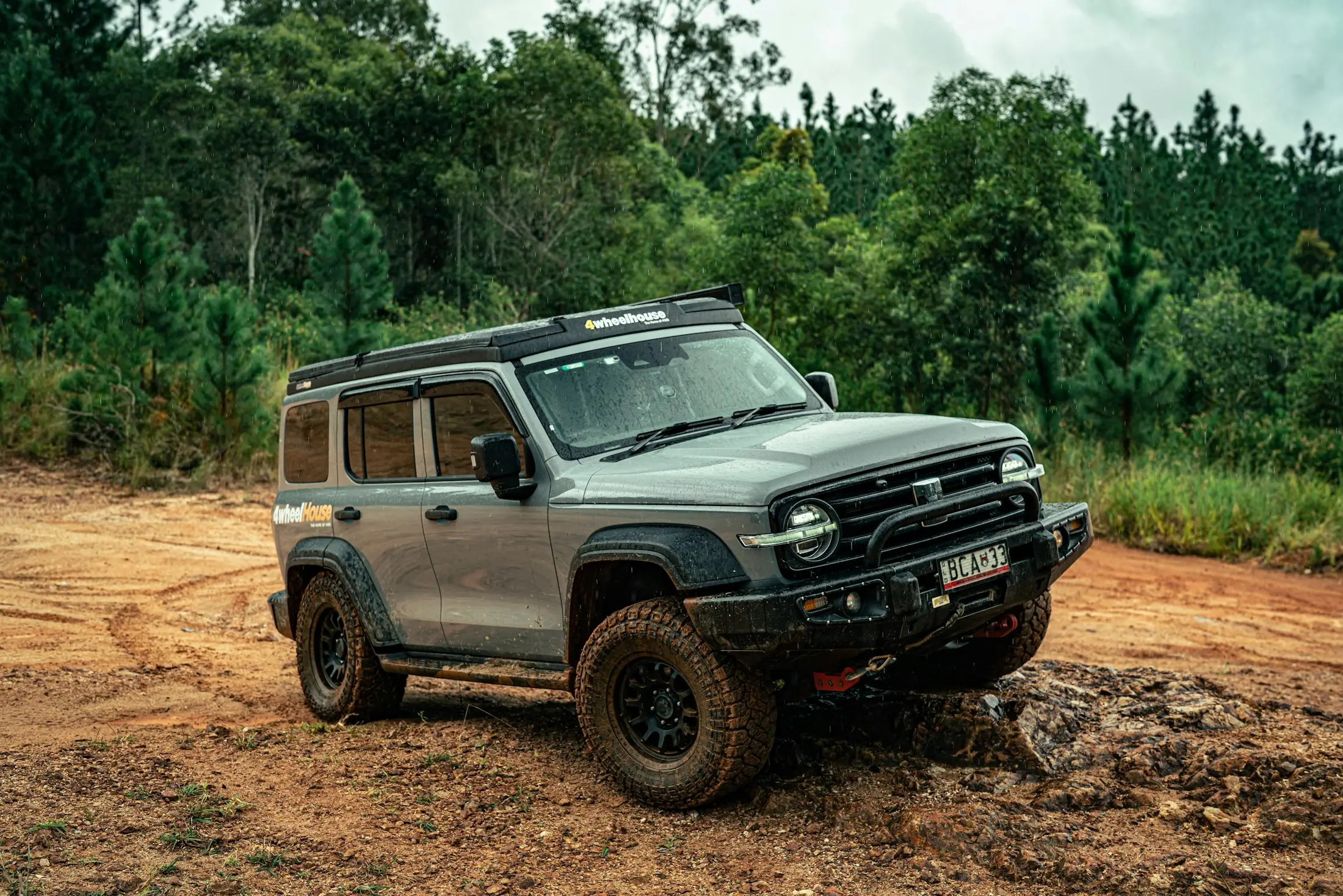
It’s a well-trodden path. The Ford Ranger was Australia’s best-selling new vehicle in 2025, topping the charts for the third year running, and plenty of those utes do double duty as worksite hauler and weekend escape.
Should a tradie use a chattel mortgage or a car loan?
If the ute is mainly a work vehicle and you hold an ABN, a chattel mortgage is often worth a look. If it’s mostly for personal driving, a regular car loan usually makes more sense. Here are the basics, in general terms:
| Personal car loan | Chattel mortgage | |
|---|---|---|
| Who it’s for | Individuals buying for personal use | Sole traders and businesses buying mainly for work |
| Ownership | You own it; the lender holds security | You or your business own it; the lender holds security |
| GST | Not claimable | GST-registered businesses may be able to claim GST credits on the purchase |
| Tax deductions | Generally none for personal use | The business-use share of interest and depreciation may be deductible |
| Paperwork | Payslips and personal details | ABN details plus financials, or low doc alternatives |
Can I include accessories like a bull bar, canopy or lift kit in the loan?
Usually, yes – when they’re fitted at the time of purchase and listed on the invoice. Lenders generally cap how much can be added on top of the vehicle’s value, so a sensible accessories list goes through more smoothly than a full expedition build.
- Canopy, tray or tub liner
- Bull bar, winch and driving lights
- Roof rack, platform and awning
- Lift kit and all-terrain tyres
- Towbar, brake controller and dual battery system
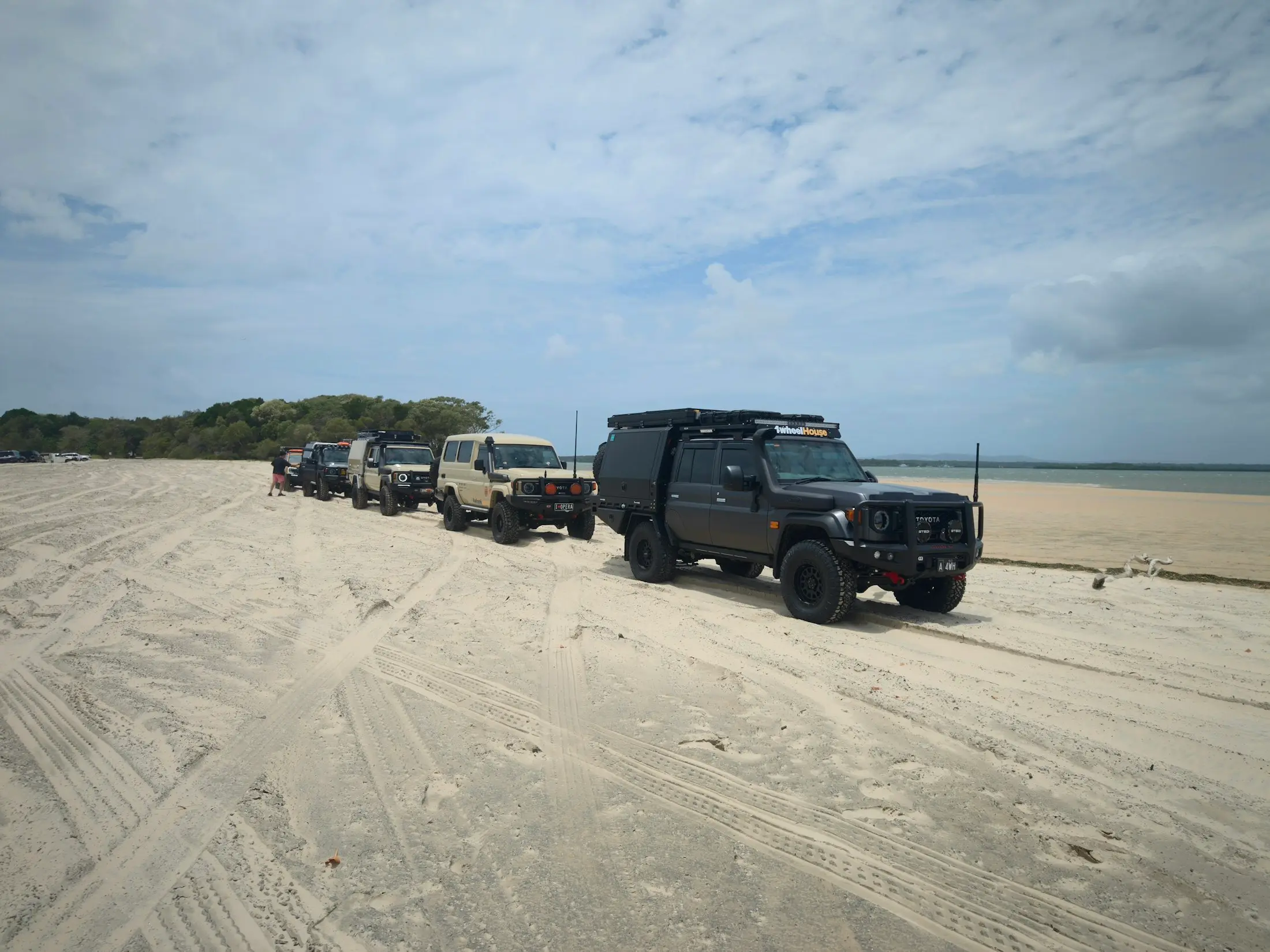
Planning to tow a van or boat? Check the towing capacity and gross combination mass before you buy, not after. It often makes sense to finance the ute first and the van later – our caravan loans page covers that next step.
What is a low doc ute loan?
A low doc ute loan is designed for self-employed borrowers who don’t have up-to-date tax returns or financials on hand. Instead, lenders verify your income another way, such as:
- Recent BAS statements
- Business bank statements
- A letter from your accountant confirming income
- A signed income declaration, with some lenders
Low doc lending can cost more and may call for a longer ABN history or a deposit, depending on the lender. We’ll tell you what each lender expects before anything is submitted.
Can apprentices get ute finance?
Yes, it’s possible. Lenders look at how steady your income is, how far through your apprenticeship you are, your savings history and whether the ute’s price suits an apprentice wage.
- A reliable used ute is a more realistic first step than a top-spec new one.
- Regular savings show a lender you can handle repayments.
- Some lenders consider a guarantor, such as a parent.
- A letter from your employer confirming your role and hours can help.
Buying second-hand? Our used car finance page explains how private sales and money-owing checks work.
What you’ll need
- Driver licence or other photo ID
- Payslips, or your ABN and recent tax returns if self-employed
- BAS or business bank statements for a low doc loan
- The dealer’s quote, listing any accessories
- Details of existing loans and regular expenses
- Your apprenticeship or employment contract, if you have one
Who it usually suits
- Aged 18 or over, with income you can show
- Australian citizenship, permanent residency or a visa lenders accept
- For business finance: an active ABN, with GST registration helping
- Repayments that fit your budget or business cash flow
- A credit history lenders can assess – past hiccups considered