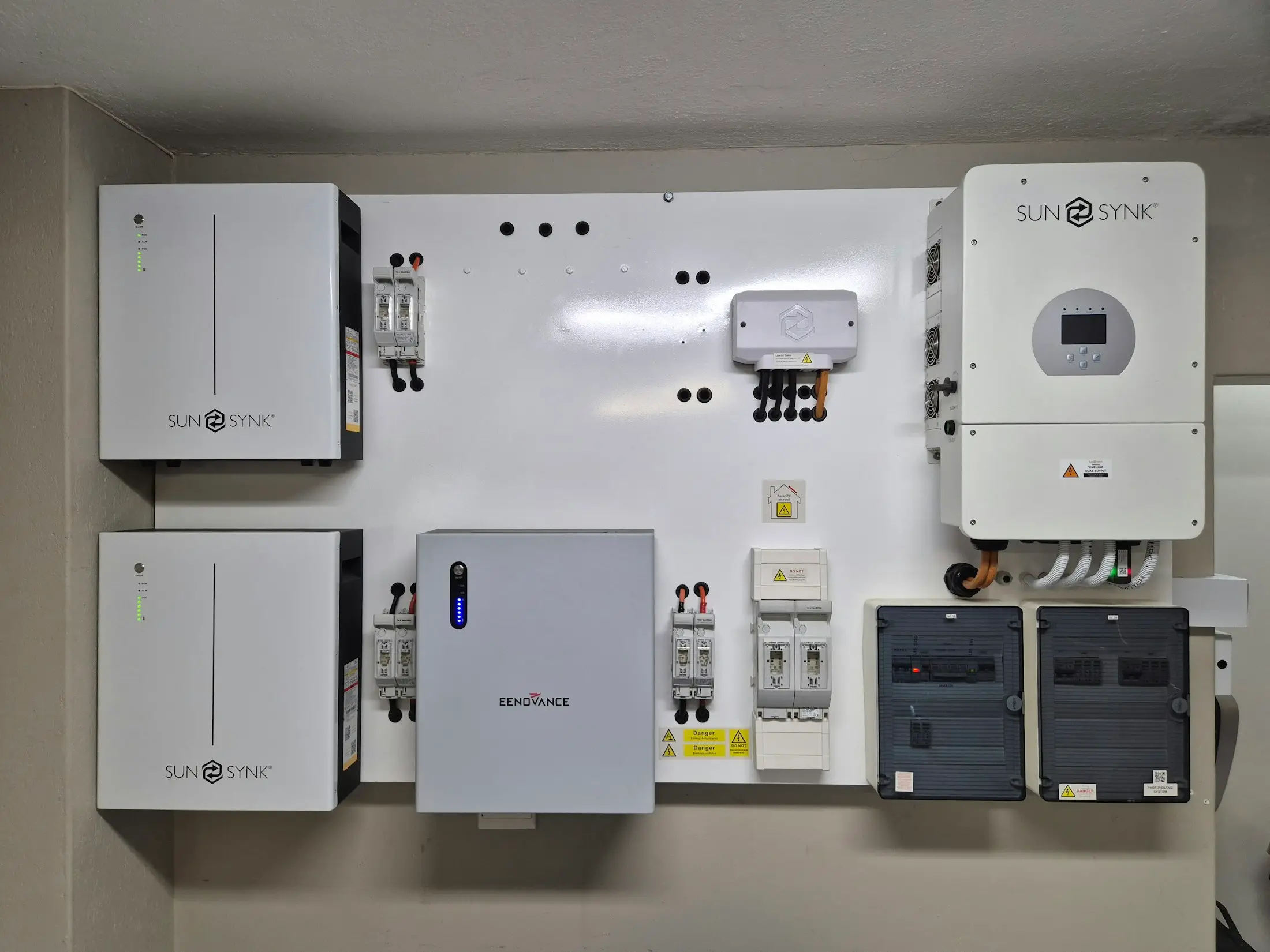
Wall-mounted home battery and inverter storing solar power
Keep the sun after dark

Solar battery finance to run your home on sunshine

Soak up the sun by day, run the house by night and keep the lights on when the grid drops. We find finance for the part the discount doesn’t cover.

  • Finance what’s left after the discount
  • Add a battery to existing solar
  • One enquiry searches 60+ lenders

Updated September 2026 · Reviewed by our credit team

Step 1 · About 2 minutes

What’s it for?

Pick what the money’s for — we’ll take it from there.

Secure & private · 60+ lenders · No credit check on application

In short

Solar battery finance is a loan that covers what’s left of a home battery’s price after the federal Cheaper Home Batteries discount — roughly 30% off eligible batteries installed with rooftop solar since 1 July 2025. You store daytime solar, use it after dark and, with a backup-ready set-up, keep power on in an outage. Loan Finder Store finds the finance across 60+ lenders.

  • Night-time solar

    Use the energy your panels made at lunchtime to run dinner, the telly and the dishwasher.

  • Discount comes off first

    The federal discount reduces your quote upfront, so you only finance the remaining cost.

  • Retrofit or bundle

    Add a battery to the solar you already have, or finance new panels and a battery together.

  • Room for an EV charger

    Add a home charger to the same loan and top up the car with stored sunshine.

What battery finance can cover

  • Home batteries
  • Hybrid inverters
  • Backup gateways & essential circuits
  • Solar + battery bundles
  • Extra solar panels
  • Switchboard upgrades
  • EV chargers
  • Installation & commissioning
  • Energy monitoring

How does solar battery finance work?

Solar battery finance works on the price your installer quotes after the federal discount, so you borrow only the remaining cost and repay it over a fixed term. Yes, you can finance a home battery much like any other home upgrade.

Common options are an unsecured personal loan, a green loan or a home loan top-up. Funds go to you or straight to the installer, depending on the lender.

  • Start with the installer’s quote for the battery, inverter and installation.
  • Take off the Cheaper Home Batteries discount, applied through certificates.
  • Add any extras, like a switchboard upgrade or backup gateway.
  • What’s left is the amount to finance.

How does the Cheaper Home Batteries Program work?

It’s a federal discount of roughly 30% off the upfront cost of an eligible home battery installed with new or existing rooftop solar. It started on 1 July 2025 and is delivered through small-scale technology certificates, which usually show up as a discount on your installer’s quote.

Two changes are worth knowing. From 1 May 2026, battery certificates are tiered by size, so larger batteries get proportionally less per kWh. The discount is also adjusted over time as battery prices fall, aiming to keep the saving at about 30%.

Program funding was expanded to an estimated $7.2 billion over four years. For the full walk-through, read our Cheaper Home Batteries Program guide.

What size battery do I need?

Size the battery to your evenings, not your roof. A battery earns its keep by covering the power you use after sunset, so your night-time usage is the starting point.

Sizing considerations to talk through with your installer
ConsiderationWhy it mattersAsk your installer
Evening and overnight useSets how much stored energy you’ll use each nightCan you size it from my smart meter data?
Solar system sizePanels need spare daytime output to fill the batteryWill my panels charge it on a cloudy winter day?
Backup needsNot every set-up keeps power on in an outageWhich circuits will run during a blackout?
Future plansAn EV, pool pump or heat pump can shift your usageCan the system be expanded later?
Tiered discountFrom 1 May 2026, bigger batteries get proportionally less per kWhWhat’s the discount on each size you’ve quoted?
Tariffs and VPPsTime-of-use pricing and VPPs change what stored energy is worthIs this battery VPP-compatible?

Bigger isn’t automatically better value. A battery that rarely fills or empties is capacity you’ve paid for but don’t use.

Can I add a battery to my existing solar?

Usually, yes. The federal discount applies to batteries installed with existing rooftop solar as well as with new systems.

Your installer will check how the battery connects. Some plug into a hybrid inverter that manages both panels and storage, while others come with their own inverter and sit alongside your current set-up.

  • Is the existing inverter compatible, or due for replacement anyway?
  • Does the switchboard need an upgrade?
  • Where can the battery be safely mounted?
  • Will a battery change your current feed-in arrangement? Check with your retailer.

No panels yet? The discount is built around batteries paired with rooftop solar, so many households install both together on one loan. Our solar panel finance page covers the panel side.

What are virtual power plants?

A virtual power plant (VPP) links lots of home batteries so an energy retailer or operator can draw on them when the grid needs support. In return, members typically receive credits, payments or plan benefits.

  • The upside: extra value from a battery you already own, and a hand in keeping the grid steady.
  • The trade-off: the operator can use some of your stored energy, so there may be less left for your evening.
  • The fine print: compare how much control you hand over, the contract length and the exit terms before joining.
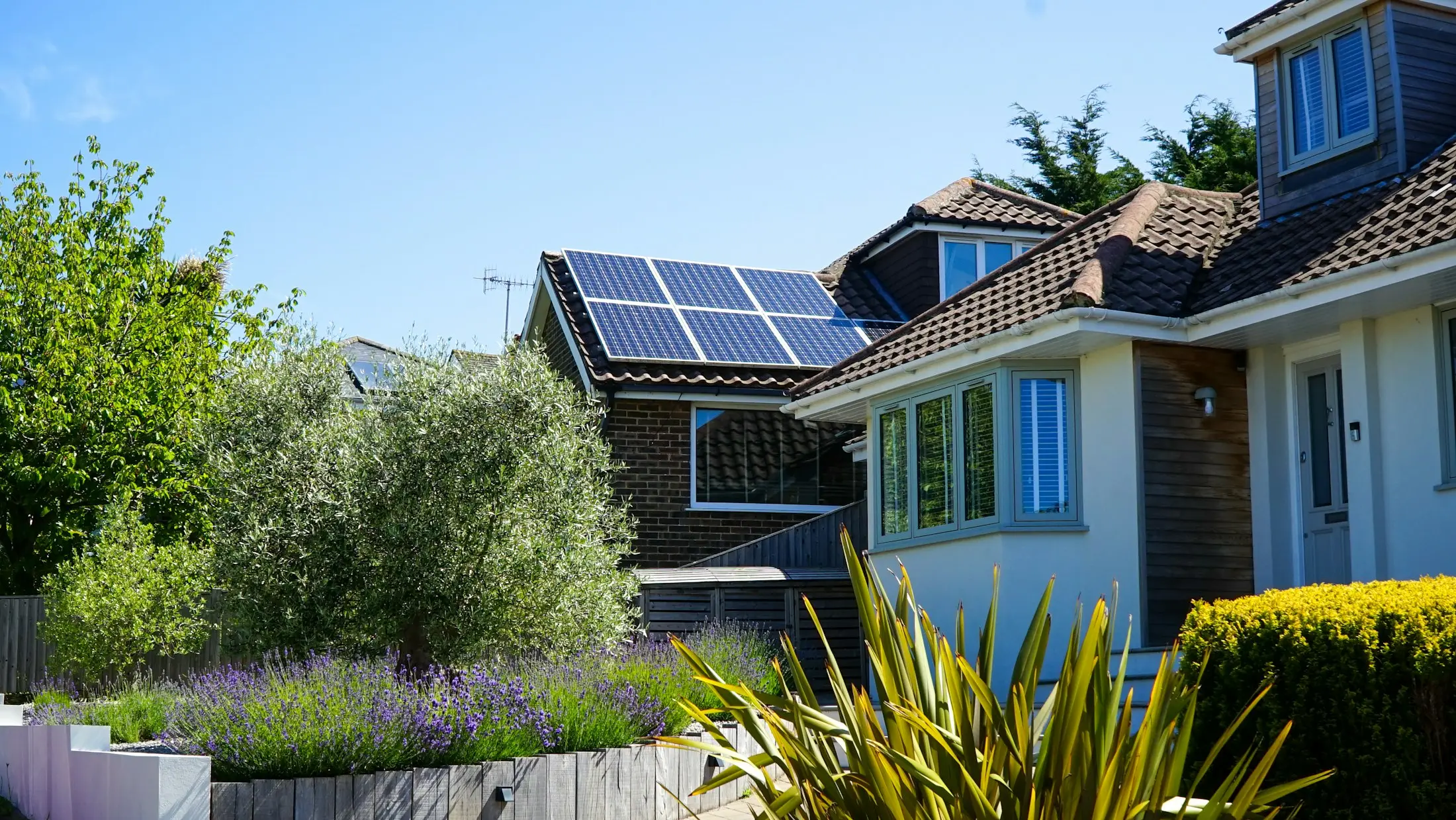
Suburban house with solar panels on the roof in the midday sun

What you’ll need

  • Installer’s quote showing the discount applied
  • Battery, inverter and backup details
  • Details of your existing solar system, if you have one
  • Recent electricity bills
  • Photo ID, such as your driver licence
  • Income evidence — payslips or business financials
  • Recent bank statements

Who it usually suits

  • An Australian citizen or permanent resident aged 18 or over
  • Owner of the home where the battery will be installed
  • Steady income, whether from a job, a business or both
  • Current debts that leave room for a new repayment
  • Credit history reviewed as a whole, not just the score
Repayment calculator

Crunch the numbers

Play with the amount, term and rate to see how repayments change.

Estimate your repayments

$
%
Repayments

Fortnightly repayment

$0

Amount borrowed
$0
Total interest
$0
Total repaid
$0
Find my real rate

This calculator uses the rate you enter and is a guide only — it isn’t a quote. Your actual rate depends on the lender and your circumstances. Fees aren’t included.

How it works

Three steps to yes

We do the searching, comparing and chasing. You get on with planning the fun part.

  1. Tell us what it’s for

    Answer a few quick questions in about 2 minutes. No paperwork, and no impact on your credit score.

  2. We find your match

    We search our panel of 60+ lenders and call you to fine-tune the options that genuinely suit.

  3. Approved and on your way

    Sign digitally, and we look after the rest. Once approved, some lenders can settle within 24 hours.

FAQs

Home battery loans: your questions answered

Is solar battery finance available in Queensland?

Yes. We arrange solar battery finance in Queensland and right across Australia, and the federal Cheaper Home Batteries discount is a national program. State-based help changes from time to time, so check what Queensland currently offers before you buy — then we can help finance the remaining cost.

How much does a home battery cost after the rebate?

It depends on the battery’s size, brand and installation, so the only reliable figure is a written quote. The federal discount aims to keep the saving at about 30% of the upfront cost, and from 1 May 2026 it’s tiered so larger batteries get proportionally less per kWh. Compare quotes with the discount already shown.

Can I get a battery without solar?

You can install one, but the federal discount is designed for batteries installed with new or existing rooftop solar. Without panels, a battery can only store grid power, which limits the savings. A common approach is to finance solar and a battery together, and one loan can cover both.

Does a home battery keep the power on in a blackout?

Only if it’s set up for backup. Some systems switch over automatically to power selected circuits, while others shut down along with the grid. If backup matters to you, ask your installer which circuits will stay on, and include any backup gateway in your quote so it’s financed together.

Is a home battery worth it?

It depends on how and when you use power. Households with big evening usage, time-of-use tariffs or a real need for blackout backup tend to get the most from a battery. Compare your likely savings with the loan repayment, and factor in any VPP benefits, before you commit.

Can I finance a battery with less-than-perfect credit?

Possibly. A default or late payment in the past is one part of your story, not the whole thing, so we put your application to lenders who weigh current income and stability. Approval isn’t guaranteed and repayments need to be affordable. Enquiring with us won’t affect your credit score.

Can I add an EV charger to my battery loan?

Yes, if it’s part of the same installation. Pairing a battery with a home charger lets you top up the car with stored solar, and financing them together keeps everything to one repayment. Ask your installer to include the charger and any switchboard work in a single quote.

General information only — it doesn’t take into account your personal circumstances. Credit is subject to lender approval, terms and fees.

Suburban house with solar panels on the roof in the midday sun

Your plans, funded. Let’s find the way.

One short form, 60+ lenders searched, and a real person in your corner. It takes about 2 minutes.

Get my options Enquiring won’t affect your credit score