
Smiling woman on her couch holding a bank card and phone while sorting out her finances
Plain-English guide

Secured vs unsecured personal loans, made simple

The keys to a new car, a van for the Big Lap, or one tidy repayment instead of four. Here’s how to pick the loan type that gets you there.

  • Side-by-side comparison table
  • What counts as security
  • A simple decision guide

Updated September 2026 · Reviewed by our credit team · 6 min read

In short

The difference between a secured and unsecured personal loan is collateral. A secured personal loan is backed by an asset — usually the car, caravan, boat or bike you’re buying — which the lender can repossess if you don’t repay. An unsecured personal loan has no asset attached, so lenders rely on your income and credit history, and pricing often reflects that extra risk.

  • Security explained

    What lenders accept as security, and what happens to it while you’re repaying the loan.

  • Side-by-side view

    Cost, speed, flexibility and risk for each loan type, laid out in one clear table.

  • A decision guide

    Four quick questions that point you towards the structure that usually suits your situation.

  • We do the matching

    Tell us what it’s for and our team finds secured or unsecured options from 60+ lenders and funders.

Common types of security

  • Cars
  • Utes & 4WDs
  • Motorbikes
  • Caravans
  • Camper trailers
  • Motorhomes
  • Boats
  • Jet skis
  • Term deposits

Secured vs unsecured personal loan: what’s the difference?

It comes down to what the lender can fall back on. With a secured personal loan, you offer an asset as security, and the lender holds an interest in it until the loan is repaid. With an unsecured personal loan, nothing is attached — the lender relies on your income and track record.

In practice, the asset is usually the thing you’re buying. Finance a used dual cab and the dual cab secures the loan. The lender’s interest is also registered on the Personal Property Securities Register (PPSR), which is how a future buyer can check whether money is still owing.

How secured and unsecured personal loans compare
Secured personal loanUnsecured personal loan
Backed byAn asset, like a car, caravan, boat or term depositNothing — your income and credit history
Typical usesBuying a car, van, boat or bikeHolidays, weddings, medical bills, renos, debt consolidation
PricingOften sharper, because the lender’s risk is lowerOften higher, to reflect the extra risk
How muchCan be larger, linked to the asset’s valueUsually more modest, linked to your income
PaperworkAsset details needed, such as VIN, rego or invoiceNo asset details; the focus is your finances
SpeedCan take a little longer while the asset is checkedOften quicker once your finances are verified
RestrictionsLenders may set age or condition limits on the assetUse it for almost any legitimate purpose
If you can’t repayThe asset can be repossessed and soldFees, a default listing and possible legal action

Is a secured loan cheaper?

Often, but not always. Because the lender can recover some of its money by selling the asset, a secured loan carries less risk for them, and lenders tend to reflect that in a sharper rate.

The rate isn’t the whole story, though. Fees, the loan term, whether there’s a balloon payment and your own credit profile all shape what you actually pay.

  • Stretching the term shrinks each repayment, yet you’ll generally hand over more interest in total.
  • A newer asset often attracts better pricing than an older one.
  • A strong credit history can narrow the gap between secured and unsecured pricing.
  • Fees and early payout terms vary, so compare the whole contract, not just the headline.

What can be used as security for a personal loan?

Lenders want security that holds its value, is easy to identify and can be sold if needed. Vehicles tick all three boxes, which is why they’re the most common choice.

  • Cars, utes and 4WDs: bought new or second-hand, through a dealer or privately. See how our car loans work.
  • Motorbikes: road, adventure and trail bikes that can be registered.
  • Caravans, campers and motorhomes: a favourite for Big Lap adventures.
  • Boats and jet skis: usually including the trailer and outboard.
  • Term deposits: some lenders accept cash held in a term deposit.

Furniture, electronics, jewellery or a holiday usually can’t secure a loan. They’re hard to value, hard to trace or, in the case of a trip to Bali, impossible to repossess. That’s where unsecured personal loans step in.
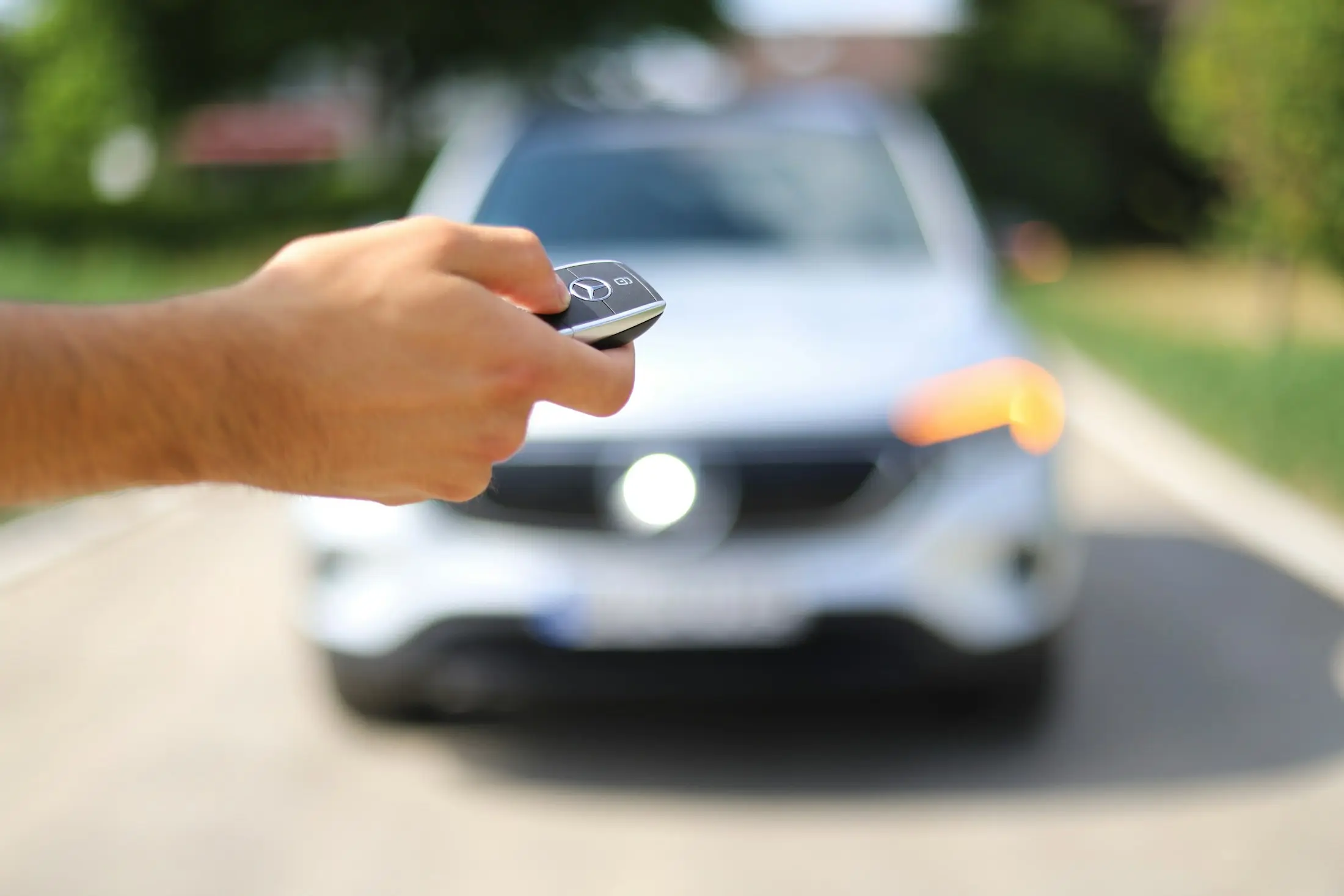
Hand holding up a car key fob in front of an SUV

What happens if I can’t repay a secured loan?

If you fall behind on a secured loan, the lender can eventually repossess the asset and sell it to recover what’s owed. If the sale doesn’t cover the balance and costs, you may still owe the difference.

It rarely jumps straight to that. Lenders generally contact you and send notices first, and you can ask about a hardship arrangement if your circumstances have changed.

With an unsecured loan there’s no asset to take, but missed repayments can still lead to fees, a default on your credit report and, eventually, legal action to recover the debt.

Can I get an unsecured loan with bad credit?

It’s possible, but harder. With no asset to fall back on, the lender leans entirely on your credit history and income, so past defaults or late payments carry more weight.

For many people with a bumpy history, a secured loan is the more realistic route, because the asset gives the lender comfort a patchy file can’t. Specialist lenders also look at the whole story: why it happened, how long ago and how stable things are now. There’s more on this in our bad credit loans overview.

Secured or unsecured: which should you choose?

Start with what the money is for, then work through these four questions. You’ll probably have your answer by the third.

  1. 1

    Am I buying an asset?

    Buying a car, van, boat or bike? A secured loan is usually the natural fit. Paying for an experience or a bill? Unsecured is your likely route.

  2. 2

    Will the asset qualify?

    Older vehicles or unusual items may fall outside lender limits. If so, an unsecured loan can still get you there.

  3. 3

    How much flexibility do I need?

    Planning to sell or upgrade before the loan ends? Ask how the lender handles that before you sign.

  4. 4

    How strong is my credit file?

    A patchy history often makes secured lending more realistic. A clean record gives you more choice either way.

Still torn? That’s our job. Share what you’re planning and our team will weigh up both structures across our panel of 60+ lenders and funders.

What you’ll need

  • Your licence or passport
  • Payslips or other proof of what you earn
  • Your most recent bank statements
  • Balances and repayments for any debts you already have
  • For secured loans: VIN, rego and invoice or contract of sale
  • Seller details if it’s a private sale
  • Your realistic monthly living expenses

Who it usually suits

  • Adults 18+, generally Australian citizens or permanent residents
  • Reliable income with room in the budget for repayments
  • A clear idea of what the loan will pay for
  • For secured loans, an asset that meets lender age and condition rules
  • Clean credit helps, though specialist lenders consider bumpier files

Repayment calculator

Crunch the numbers

Play with the amount, term and rate to see how repayments change.

Estimate your repayments

$
%
Repayments

Fortnightly repayment

$0

Amount borrowed
$0
Total interest
$0
Total repaid
$0
Find my real rate

This calculator uses the rate you enter and is a guide only — it isn’t a quote. Your actual rate depends on the lender and your circumstances. Fees aren’t included.

Ready when you are

Let us do the legwork

One short form, 60+ lenders searched and a real person to guide you. It takes about 2 minutes and won’t affect your credit score.

  1. Tell us what it’s for

    Answer a few quick questions in about 2 minutes. No paperwork, and no impact on your credit score.

  2. We find your match

    We search our panel of 60+ lenders and call you to fine-tune the options that genuinely suit.

  3. Approved and on your way

    Sign digitally, and we look after the rest. Once approved, some lenders can settle within 24 hours.

Step 1 · About 2 minutes

What can we find for you?

Pick what the money’s for — we’ll take it from there.

Secure & private · 60+ lenders · No credit check on application

FAQs

Secured vs unsecured loans: your questions answered

Is a personal loan secured or unsecured?

A personal loan can be either. It’s secured when an asset, usually the vehicle or item you’re buying, backs the loan, and unsecured when nothing is attached. Secured personal loans are common for cars, caravans, boats and bikes, while unsecured loans suit holidays, weddings, medical costs and debt consolidation. Which suits you comes down to what you’re funding and your circumstances.

Which is faster to get, a secured or unsecured loan?

Unsecured loans can edge ahead on speed, since there’s no asset to verify. A secured loan needs the lender to check the vehicle or item, including its details, value and whether anything is owing on it. In practice the difference is often small. Once a loan is approved, many lenders can settle quickly, sometimes within 24 hours, depending on the lender.

Is a secured loan cheaper than an unsecured loan?

Usually, though not in every case. A secured loan carries less risk for the lender, which is often reflected in sharper pricing. But fees, the loan term, any balloon payment and your credit profile all affect the total cost. Compare the whole contract rather than just the rate, and ask us to show you the trade-offs side by side.

Can I sell a car that’s being used as security?

Yes, but the loan needs to be paid out first, or the lender needs to agree to swap the security. The lender’s interest is registered on the PPSR, so a buyer’s check will show money owing. Most people use the sale proceeds to clear the loan at settlement, then any leftover is theirs to keep.

Can I use a car I already own as security?

Sometimes. Some lenders will accept a vehicle you own outright as security for a personal loan, though it’s less common than securing the car you’re buying. The vehicle will need to meet the lender’s age and condition rules, and their interest will be registered against it until the loan is repaid.

Can I get an unsecured loan with bad credit?

It’s possible, but harder, because the lender has no asset to fall back on and relies entirely on your credit history and income. Some specialist lenders will still look at it when your income is steady and the problems are behind you. For many people, a secured loan is the more realistic path. We’ll be honest about your options.

What happens if I can’t repay a secured loan?

The lender can eventually repossess the asset and sell it, and you may still owe any shortfall if the sale doesn’t cover the debt. Lenders generally contact you and issue notices before that point, and you can ask about a hardship arrangement. If you’re struggling, speak to your lender early or call the free National Debt Helpline.

General information only — it doesn’t take into account your personal circumstances. Credit is subject to lender approval, terms and fees.

Hand holding up a car key fob in front of an SUV

Let’s turn the plan into “approved”.

One short form, 60+ lenders searched, and a real person in your corner. It takes about 2 minutes.

Get my options Enquiring won’t affect your credit score